
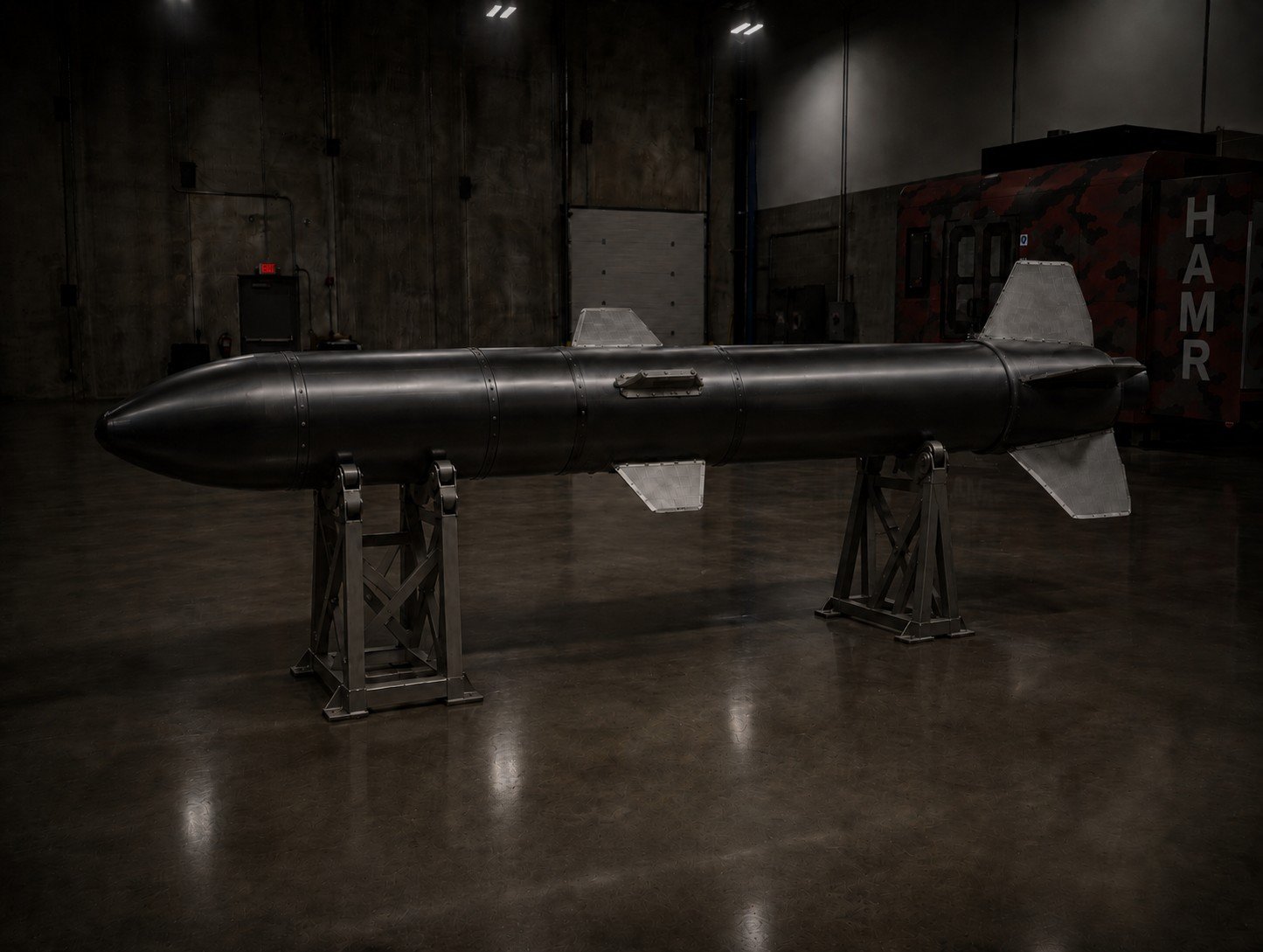
Building mission-critical applications
HAMR takes a requirements-first approach to determine the right manufacturing process for customers, transforming complex challenges into mission-critical solutions for aerospace, defense, and energy sectors.
01. Mission Driven
Bridging the gap to ensure impactful research finds real-world applications for defense and commercial needs.
02. Performance
Engineered components that meet demanding performance requirements by optimizing materials, design, and manufacturing processes.
03. Technical Capabilities
One-stop shop with the technical capability to transform concepts into reality through advanced materials, engineering, design, and manufacturing expertise.
04. Production & Scalability
From a single prototype to full-rate production, we develop manufacturing strategies that scale efficiently while maintaining quality and repeatability.
05. Cost
We evaluate every manufacturing pathway to maximize value, reduce costs, and improve efficiency.
06. Schedule
Speed matters. Our agile team accelerates production to keep your program on schedule without sacrificing quality.

Prototyping & Low Rate Initial Production
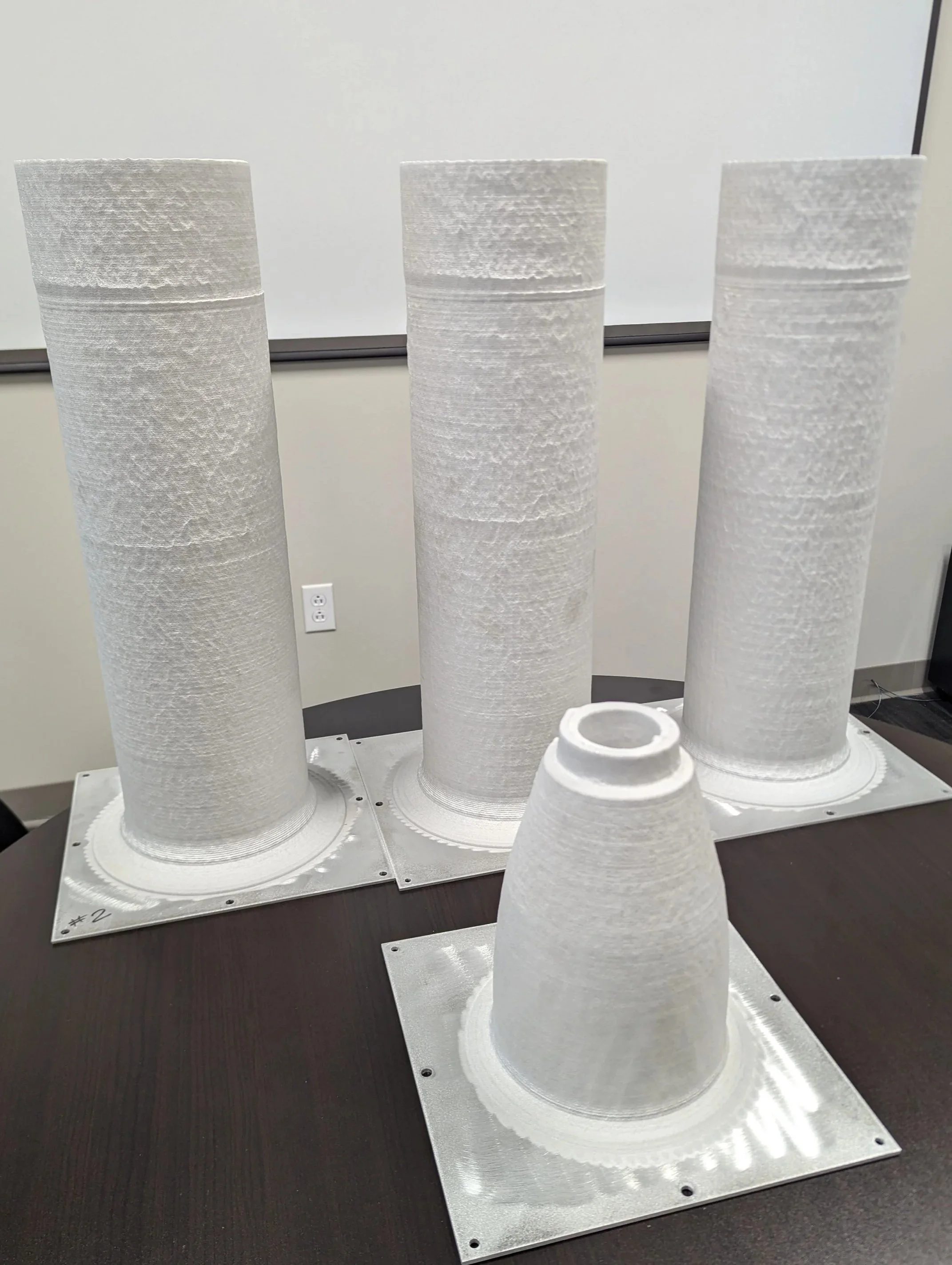
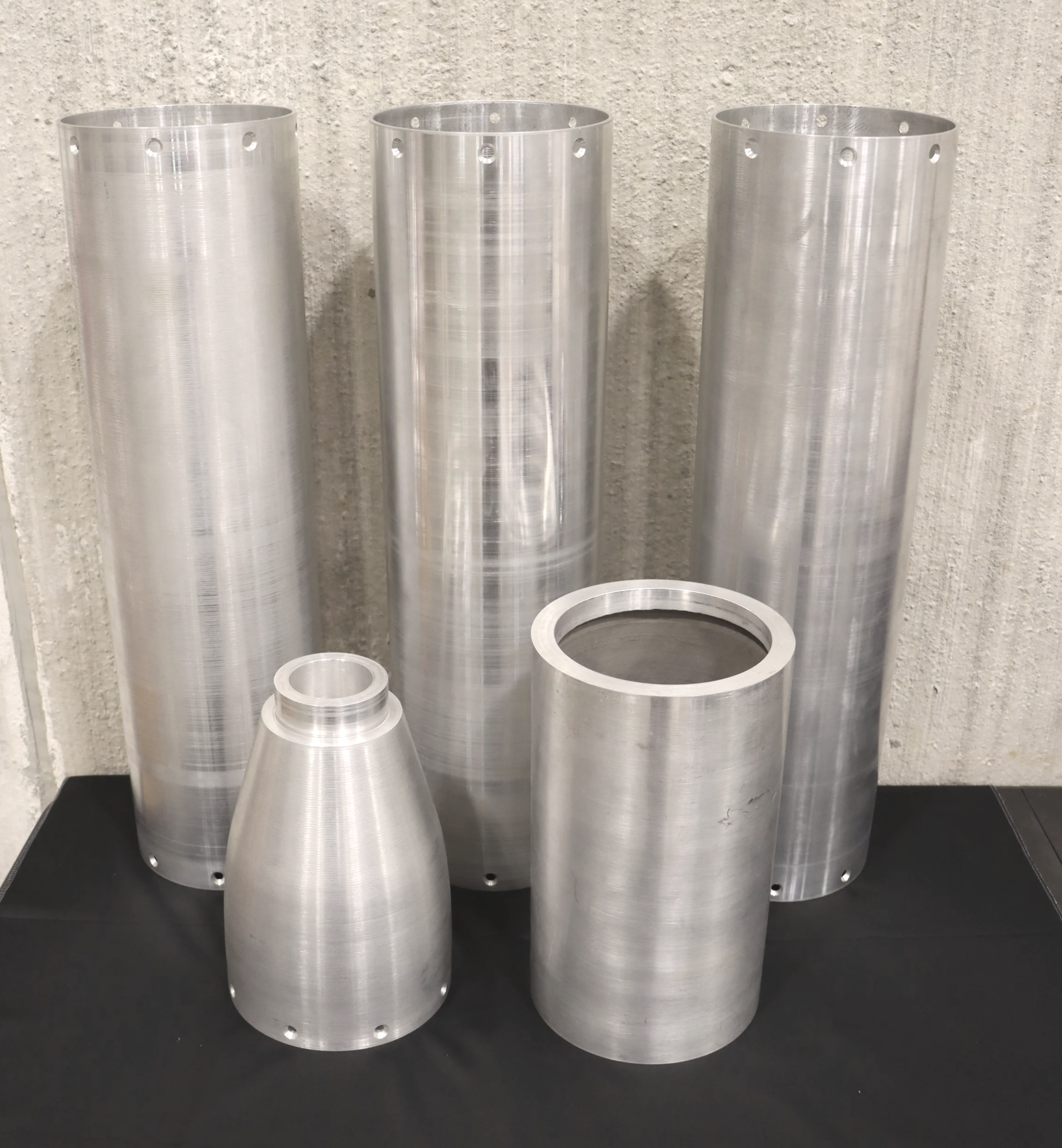
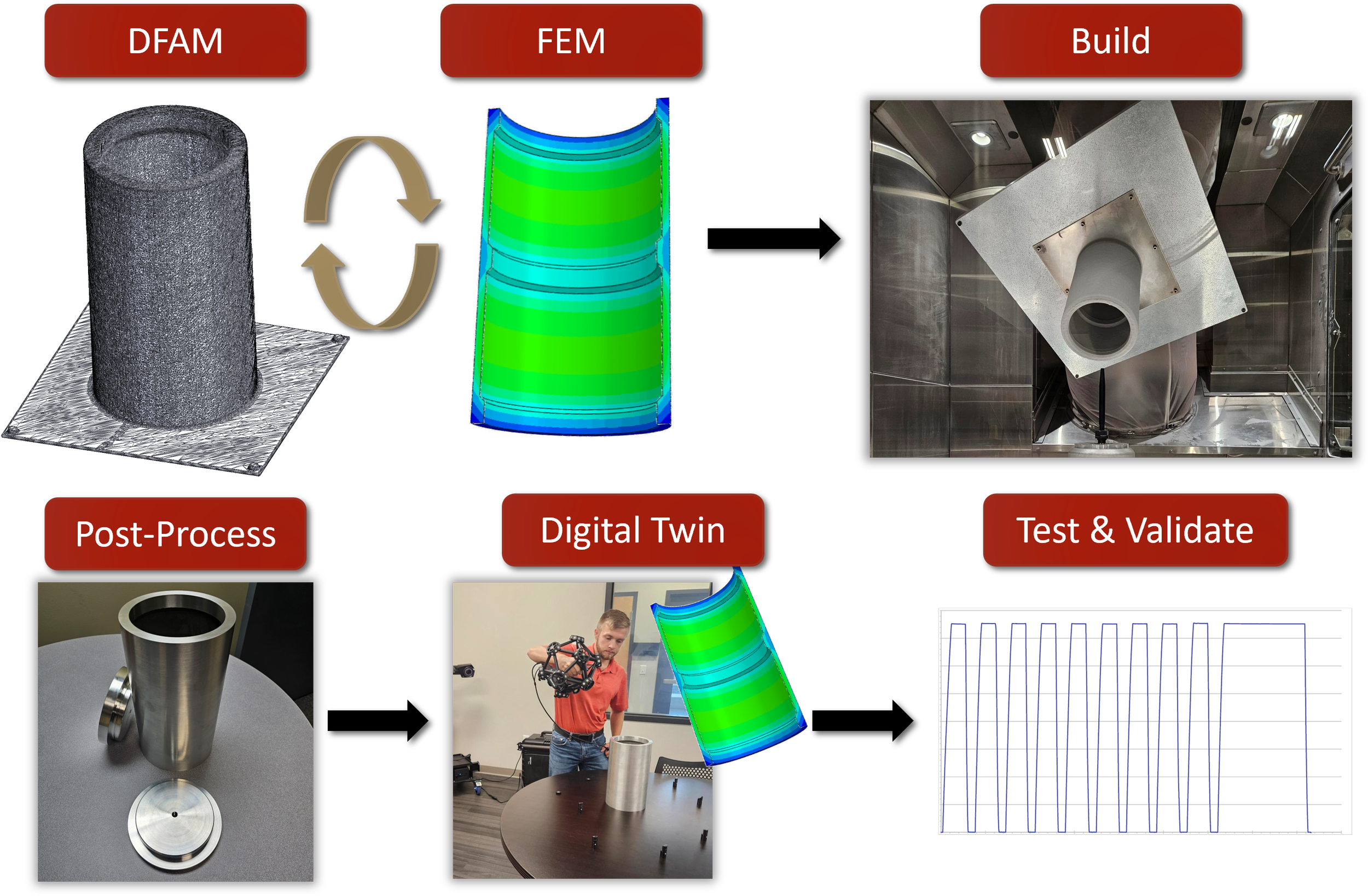
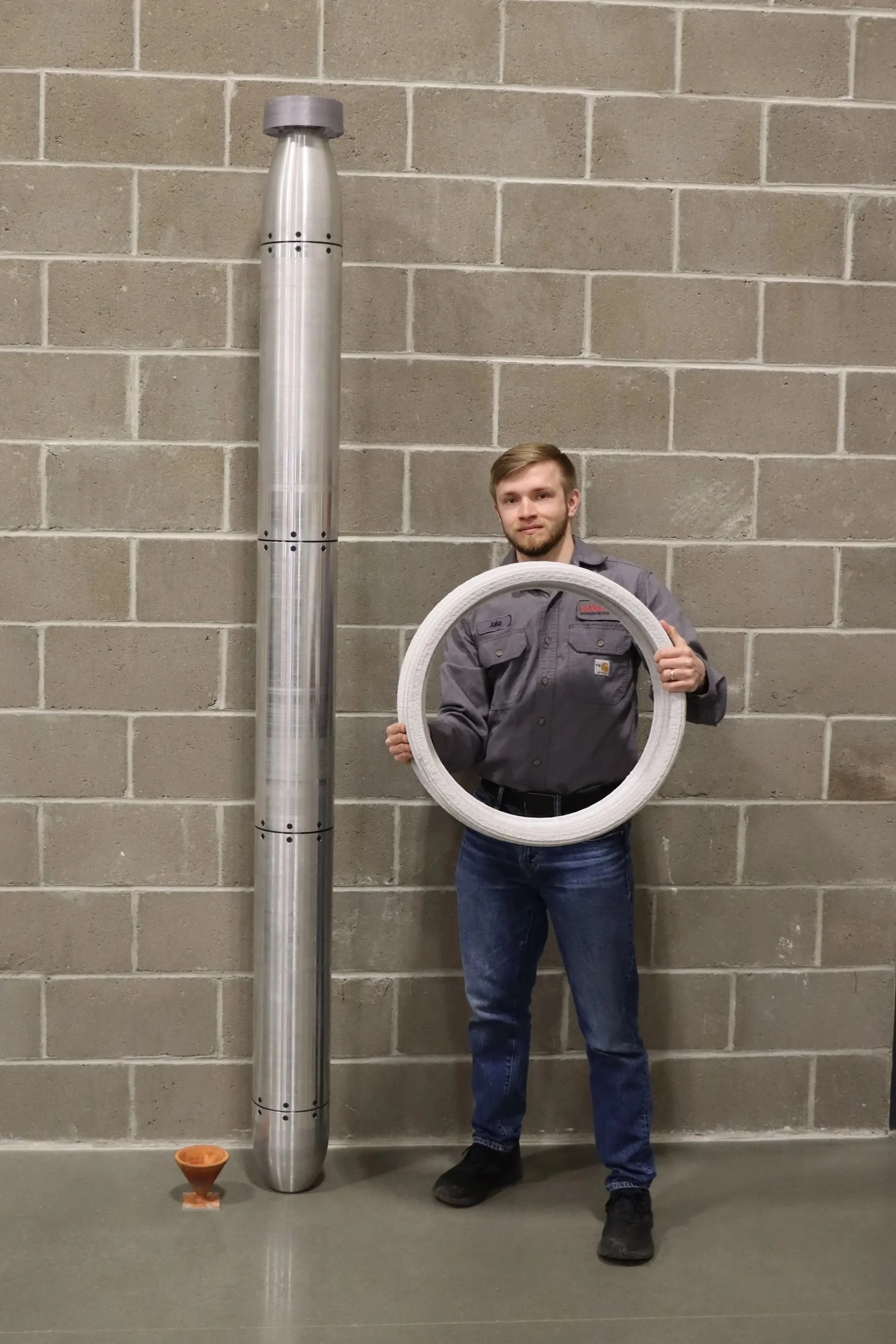
Crayfish Undersea Demonstrator Article
Undersea vehicles and systems tend to be bespoke, high-cost, and low-production-rate. HAMR has embarked on a journey to rapidly iterate through the design, development, prototyping, and manufacturing stages for undersea vehicles, systems, and platforms to provide low-cost modular alternatives.
-
There are several critical components within a vehicle that tend to dictate one or more of cost, lead time, or scalability. One portion of the vehicle that tends to touch on all three is the casing or body, which often relies on castings or forgings that have long lead times – and at large sizes – high costs. These factors also limit the pace of development and risk tolerance, as a design can be locked in early due to cost and schedule constraints.
-
Additive manufacturing (AM) is an excellent choice for rapid iteration and prototyping and enables more novel design philosophies and a more robust design cycle. Unfortunately, AM has traditionally not been well known for lowering costs or providing scalability in either part volume or part size, particularly for traditional wrought alloy systems. HAMR has performed significant development in cold spray additive manufacturing (CSAM) and is able to meet and exceed AMS specs for 6061-T6, and critically, can do this at high rates and for large (>20”) parts.
-
HAMR demonstrated the ability to leverage additive manufacturing to rapidly iterate through design and produce a concept vehicle demonstrator in less than 4 weeks.
A complete body was 3D printed in less than 36 hours using designs that have been hydrostatically pressure-tested to relevant depths.
Expeditionary Manufacturing
NAVSEA 05T Repair Technology Exercise
Performing repairs and rapid response manufacturing at the point of need provides a significant value to our fleet by reducing down-time, lowering or eliminating dry-dock fees, and enabling ships to remain operational.
-
In high-stakes operational environments, such as the battlefield, it's impossible to predict when, where, or which component will fail. The requirement is to deliver a solution that is 'good enough', as quickly as possible. Just as importantly, that solution must be developed and manufactured outside the controlled conditions of a laboratory.
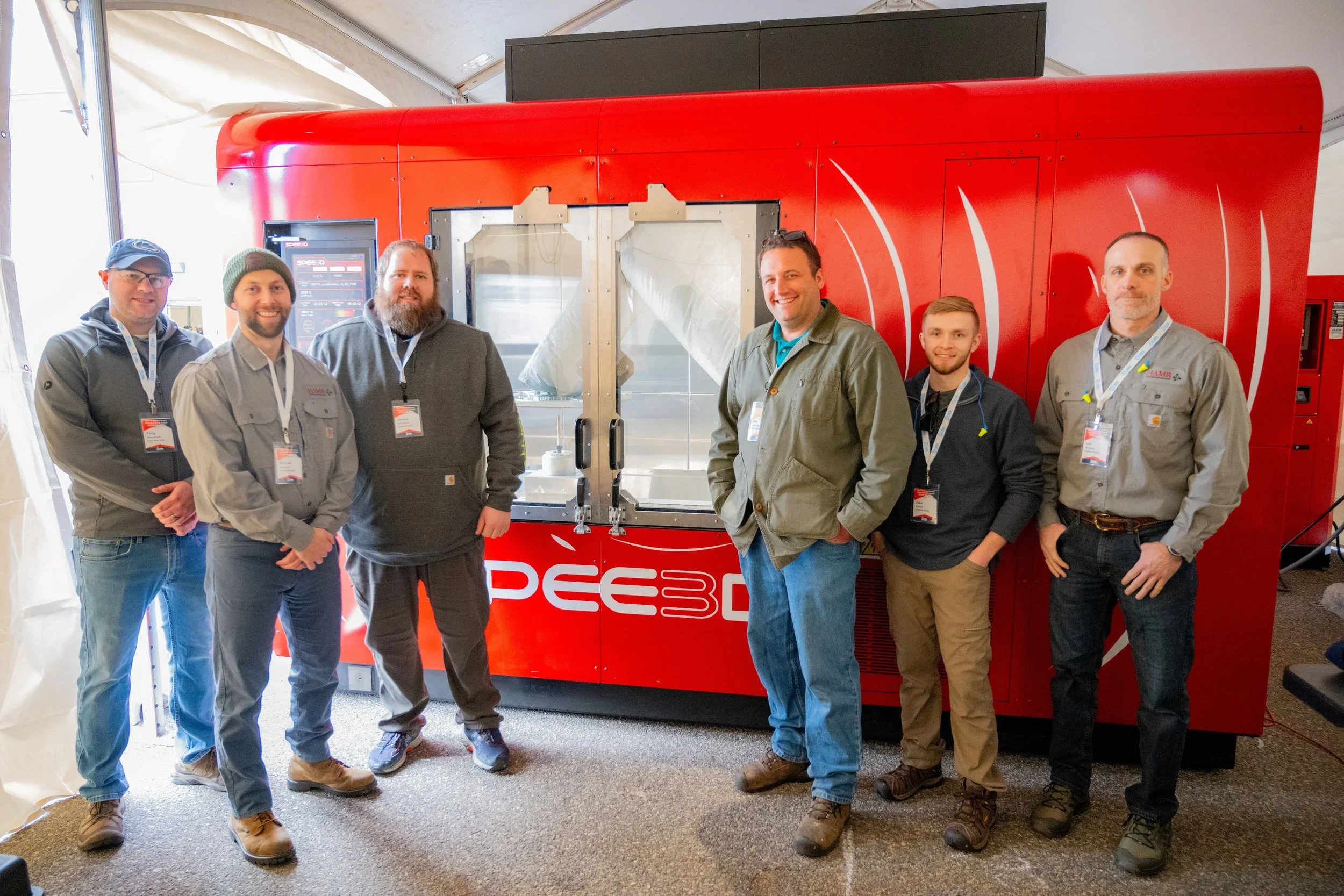
The HAMR team was not given the target component until arriving at Norfolk Naval Shipyard. Once on site, the team deployed a WarpSPEE3D cold spray additive manufacturing (CSAM) system. The system was outdoors in late January, where cold weather introduced additional environmental challenges. The damaged valve components posed the technical and logistical challenge of rapidly reverse-engineering and manufacturing a viable replacement on a compressed timeline.
-
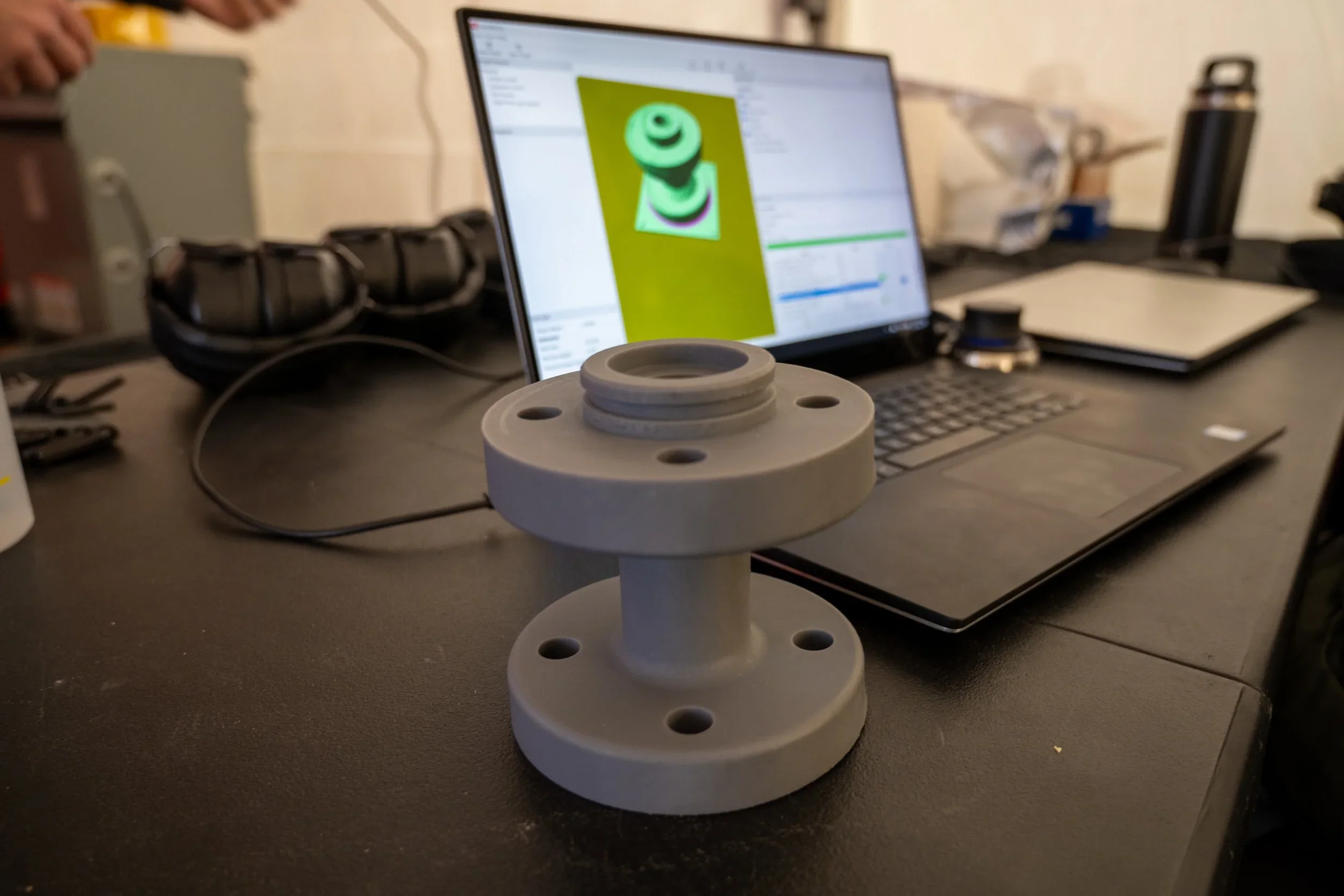
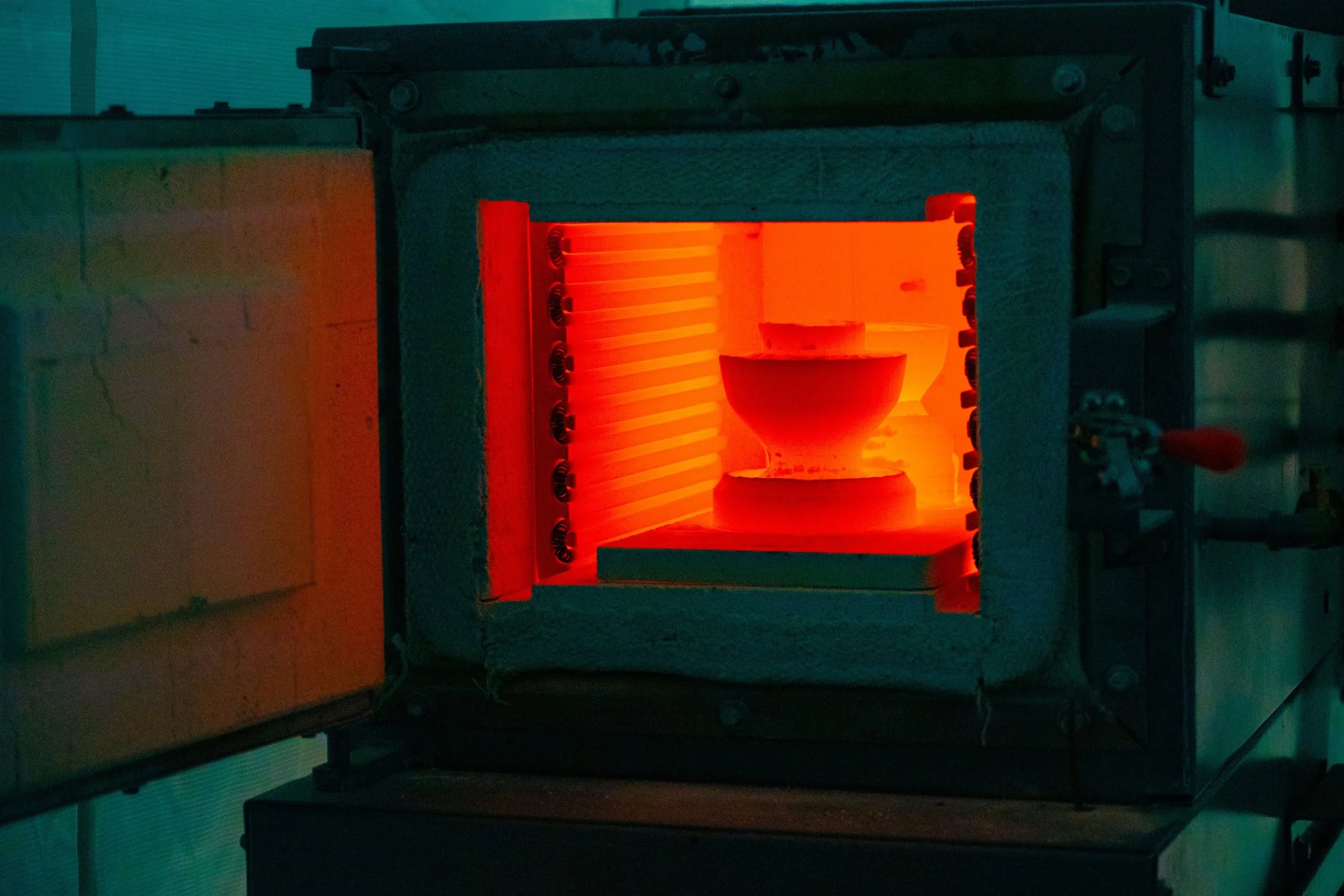
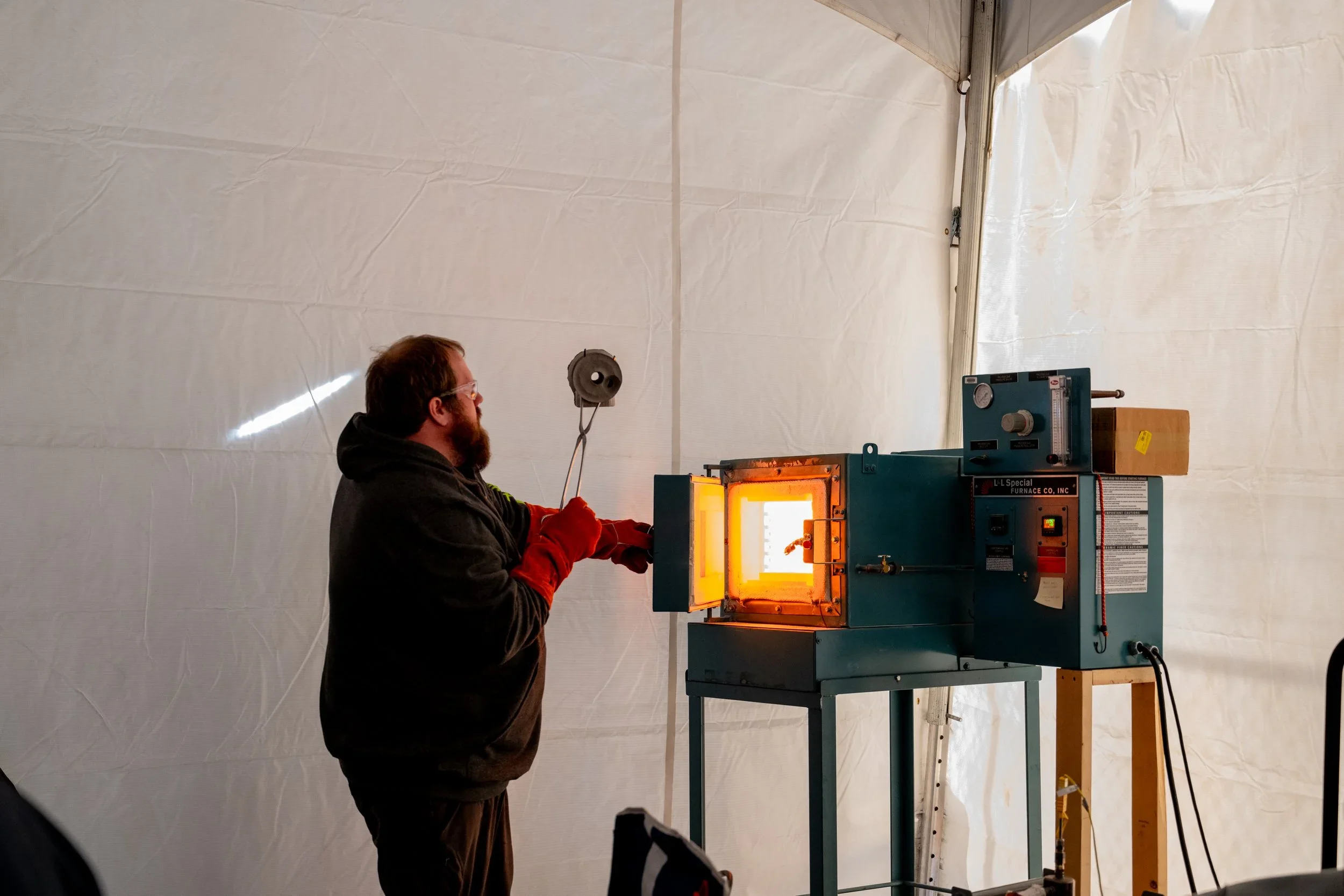
A key aspect of the HAMR approach is collaboration, which is particularly important in fieldwork. The team worked with a 3D scanning partner to generate CAD files for two parts and quickly began designing for additive manufacturing. Once acceptable, the parts were sliced using SPEE3D’s proprietary CSAM slicing software, and the first print was started within hours. Day 2 of the event included printing the second component and heat treating the set.
-
HAMR demonstrated reverse engineering and CAD-to-part for a 316SS valve assembly in less than 48 hours.
To verify performance, the valve set was machined off-site by Penn State University Applied Research Laboratory, and subsequently passed a pressure test.
Advanced Novel Solutions
Novel Counter Directed Energy Weapon Technology
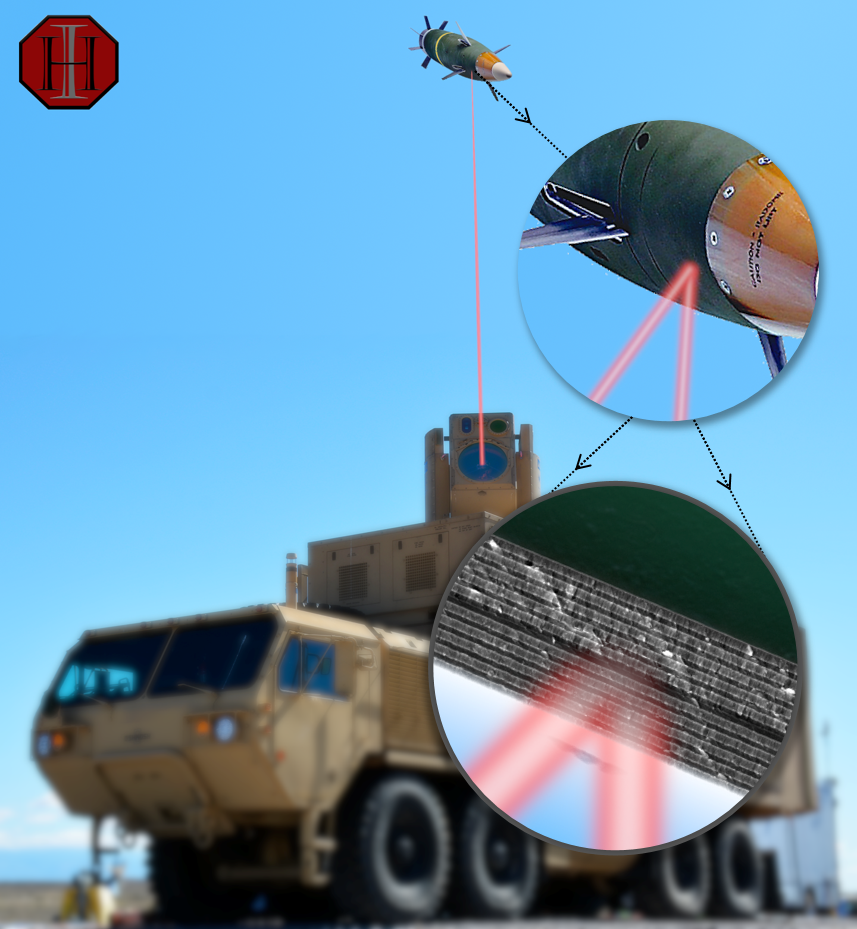
As the fielding of high-energy lasers (HELs) becomes more common and robust, the United States must maintain an asymmetric advantage by fielding counter-directed energy weapon (C-DEW) capabilities.
-
Common systems for mitigating HEL damage are generally mechanical or passive absorptive systems. Mechanical solutions come with significant size, weight, and power (SWaP) penalties, while absorptive systems, though lightweight and simple, are generally one-time use and not functional for sustained mitigation, reusable vehicles, or protective equipment.
-
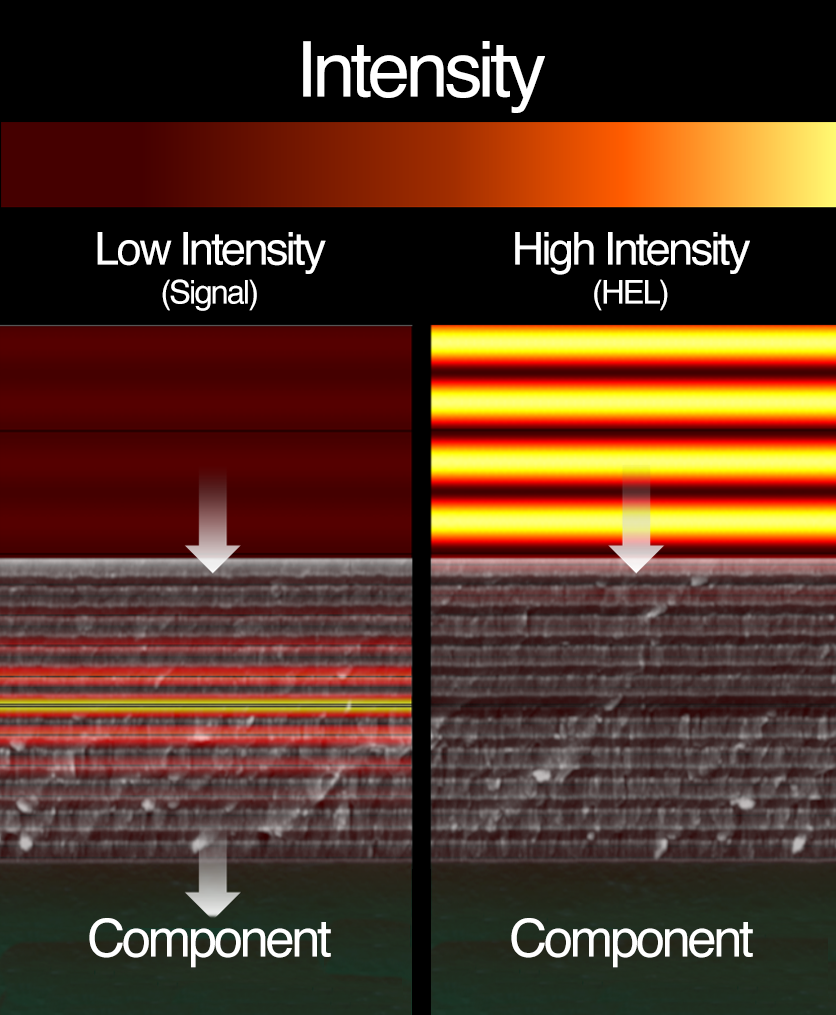
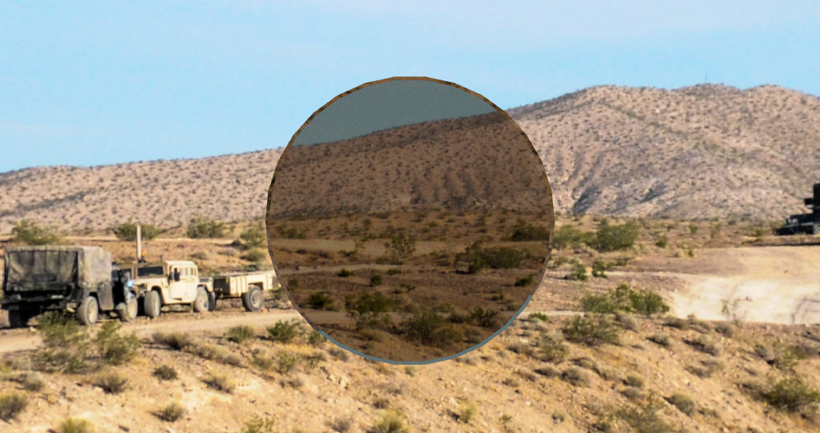
Through Army STTRs, HAMR has patented a multifunctional optical filter (US 11630371) which provides a reflective optical limiter protection capability. In reflective optical limiters, low-intensity signals pass through, enabling sensing through the filter, while high-intensity signals are rejected, providing protection for the underlying component or person. This happens nearly instantaneously through a passive mechanism, requiring minimal SWaP.
HAMR’s approach involved developing an internal modeling code capable of handling extremely high optical non-linearities, followed by the subsequent development and fabrication of novel multilayered nanostructured coatings.
-
The HAMR team developed several material systems and coating structure combinations with varying ranges of performance, manufacturability, and thermomechanical capability.
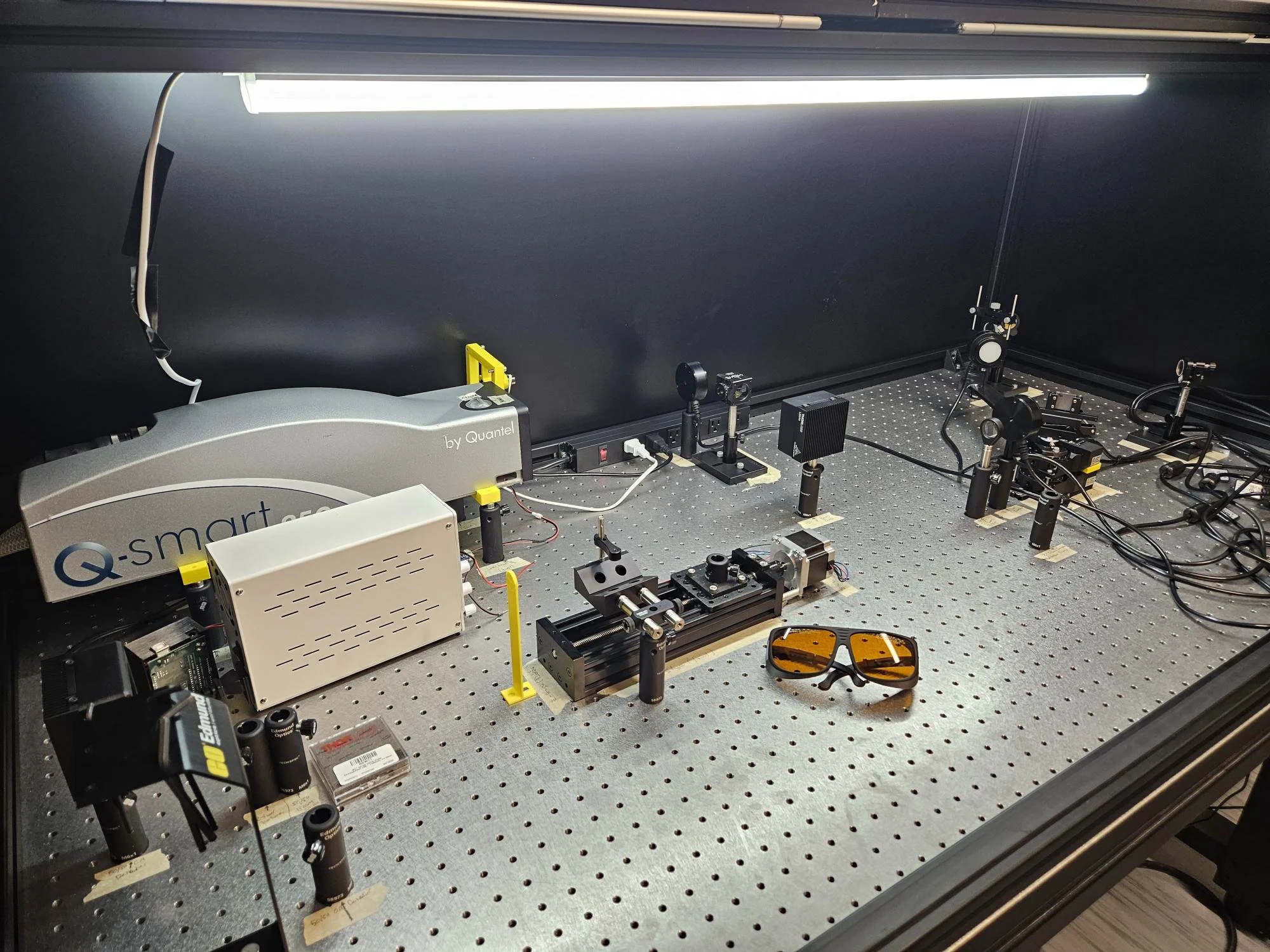
They then worked with partners at the Penn State University Applied Research Laboratory to fabricate and characterize these reflective optical limiter structures. Finally, a HEL test cell was set up at HAMR’s Pittsburgh facility, evaluating the coatings and demonstrating its protective capabilities and robust performance under pulsed laser irradiation.


Serial Production
Neighborhood 91 Advanced Manufacturing Production Campus
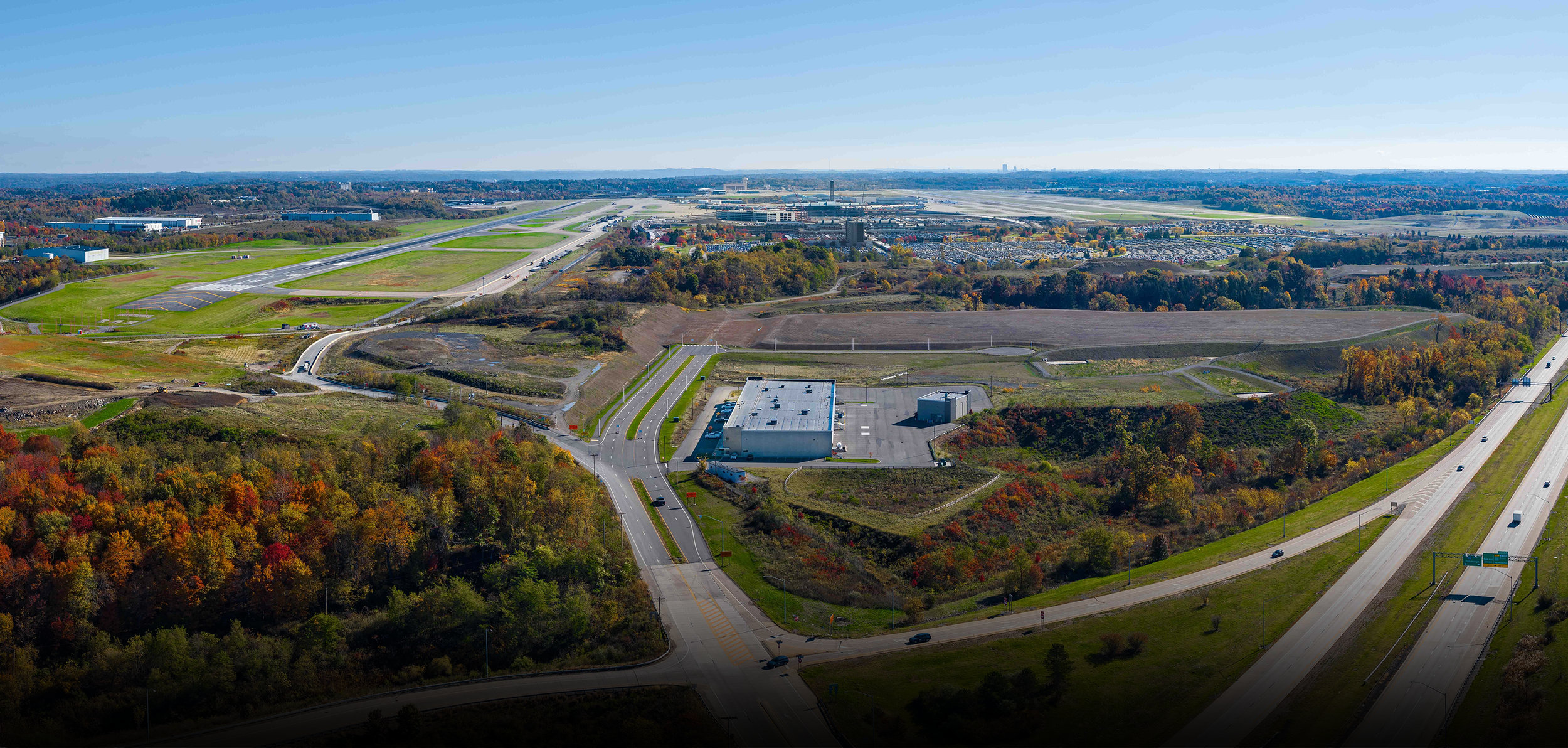
HAMR is strategically located within Neighborhood 91, a globally recognized advanced manufacturing production ecosystem at the Pittsburgh International Airport Innovation Campus. This vertically integrated manufacturing environment, combined with Pittsburgh's strong regional manufacturing base, enables HAMR to dramatically reduce costs and lead times.
Supported by the Regional Industrial Development Corporation (RIDC), the campus offers space to grow, allowing HAMR to be uniquely positioned to rapidly and efficiently scale its manufacturing footprint.
For HAMR customers, this integrated partnership provides a trusted pathway to develop, validate, and deploy mission-critical solutions at scale with reduced risk and greater speed.




Core Expertise
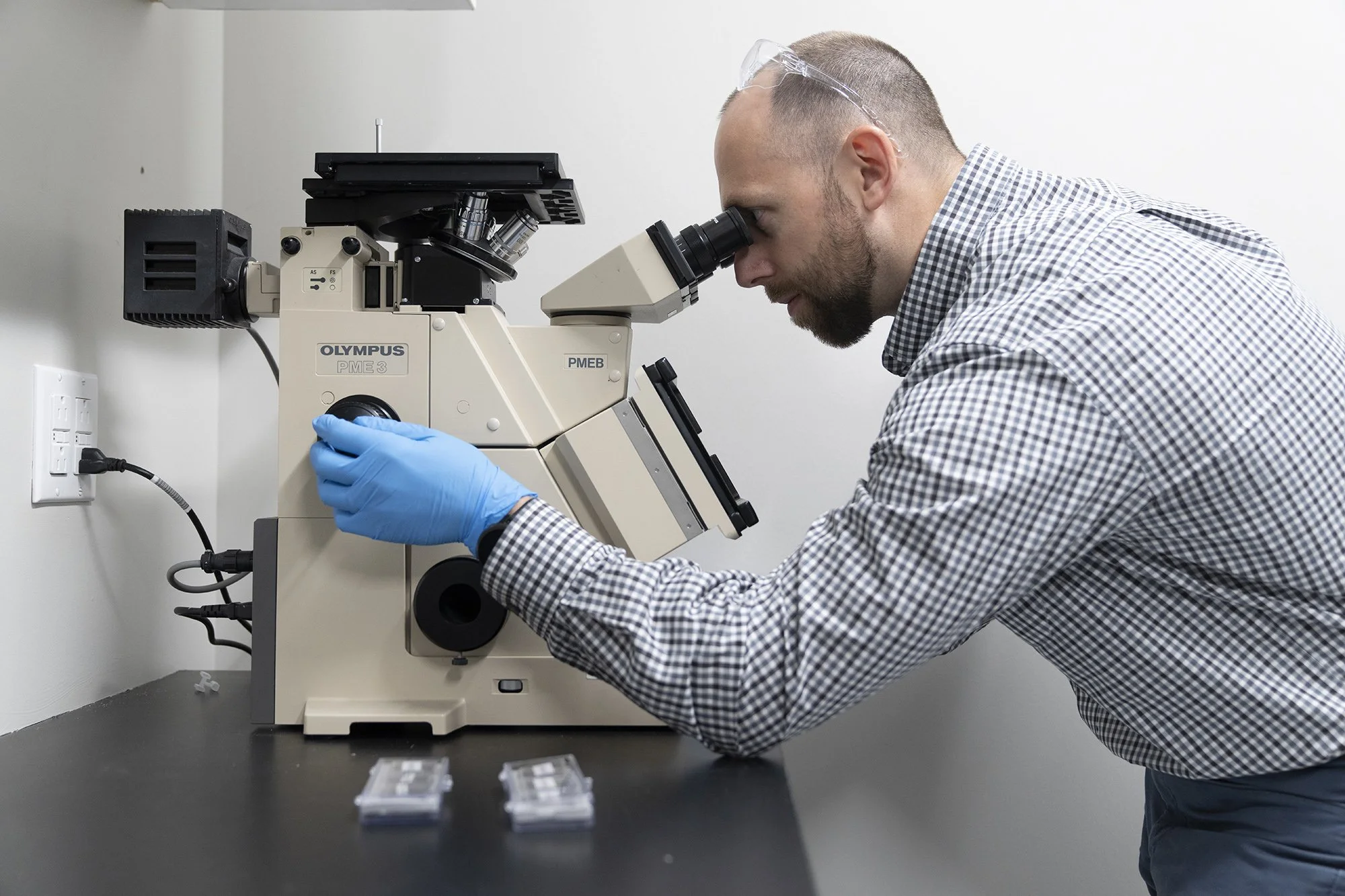
Novel Materials Development
High Entropy Alloys (HEA) and Refractory HEAs
Thermal protection materials for hypersonics
Dispersion strengthened materials
High temperature ceramic and metallic composites
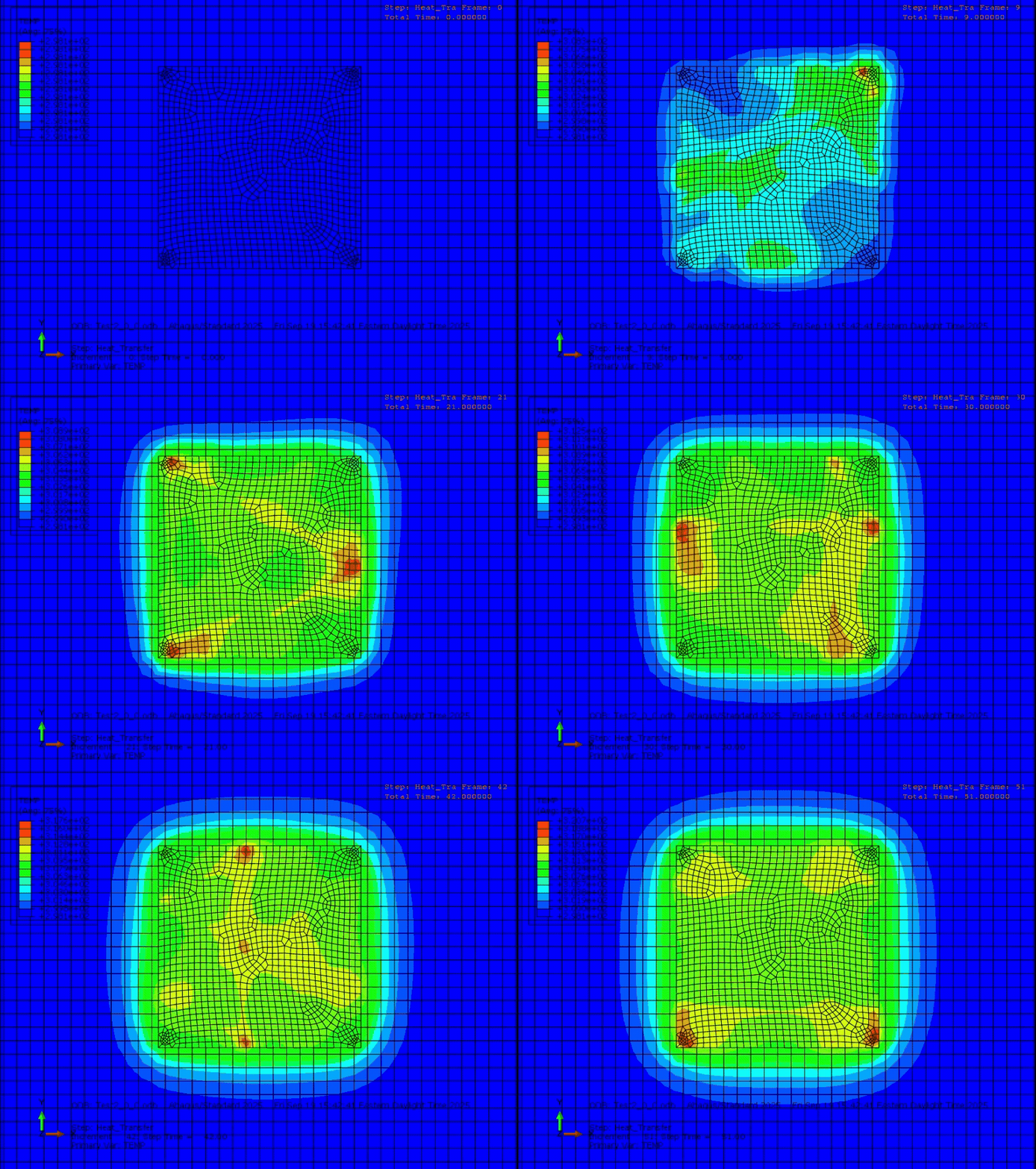
Modeling and Simulation
RF, EO/IR, and combined multiphysics
Residual stress and AM process modeling
Thermomechanical deformation and wear
In-house fortran, python, and MATLAB custom codes
Commercial packages
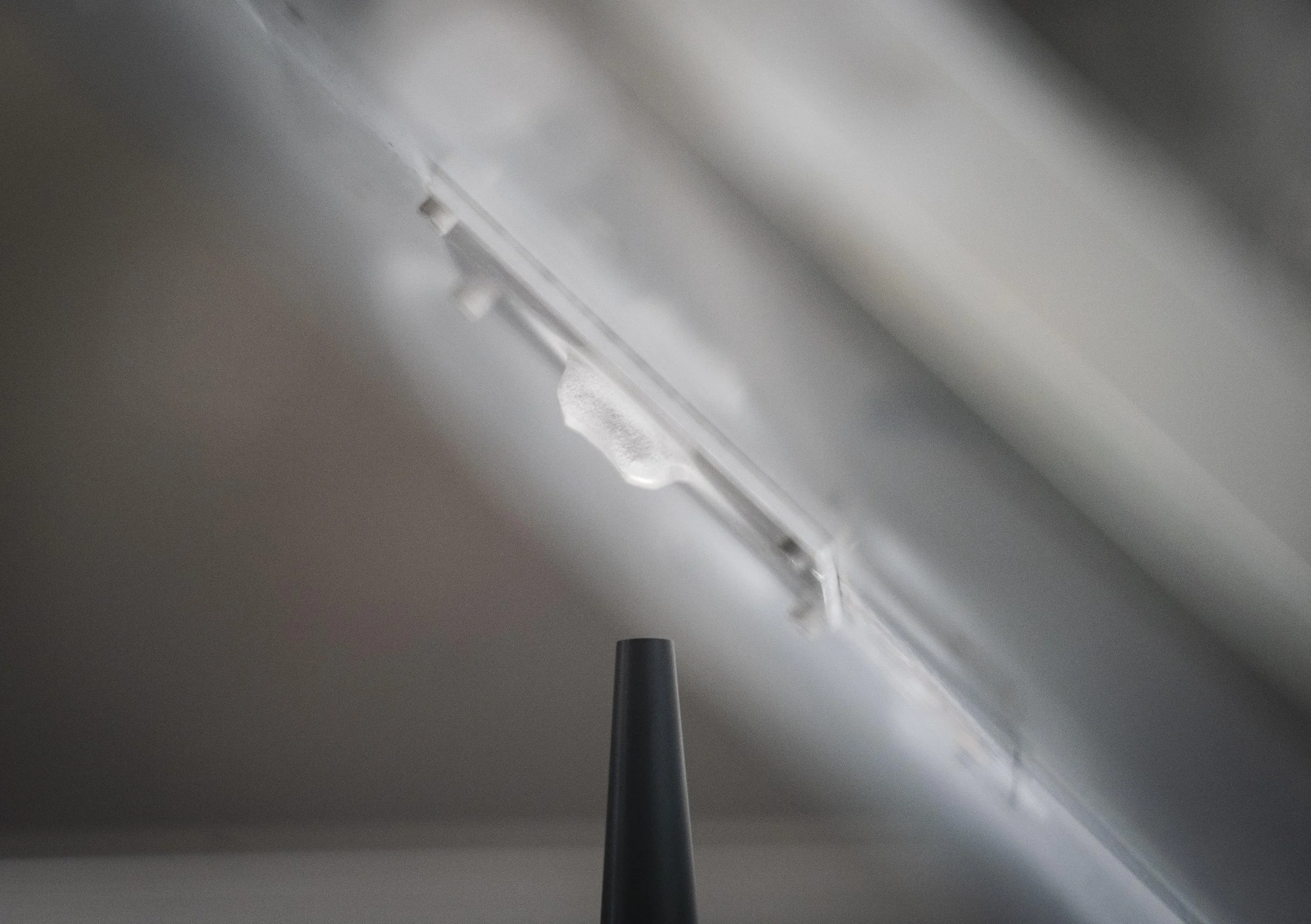
Advanced Manufacturing
Additive and hybrid manufacturing
Nanostructured coatings and thin films
Process development
Multilayer and functionally graded composites
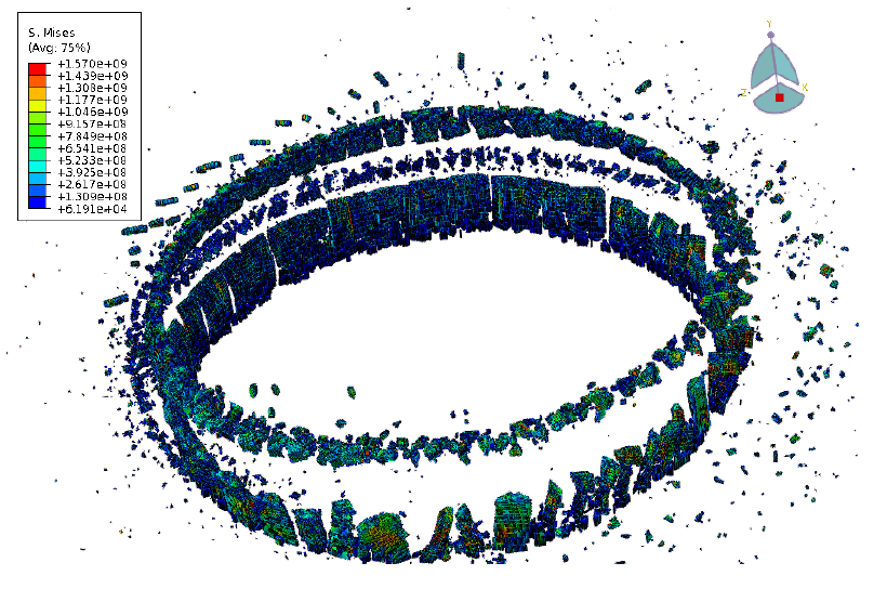
Dynamic Material Performance
High strain rate modeling
Reactive Material (RM) development
Fragmentation control
Blast testing
Direct energy testing
HAMR is committed to meeting and exceeding customer requirements by providing high-quality research, development, prototyping, and manufacturing solutions to government and commercial customers. We prioritize:
QUALITY POLICY

Customer Satisfaction
Continuous Process Improvement
Responsible Resource Utilization